Leaf I of V / Winter
The Short Light
The alarm rings in the dark and the drive home ends in the dark. The first leaf is about finding the daylight in between.
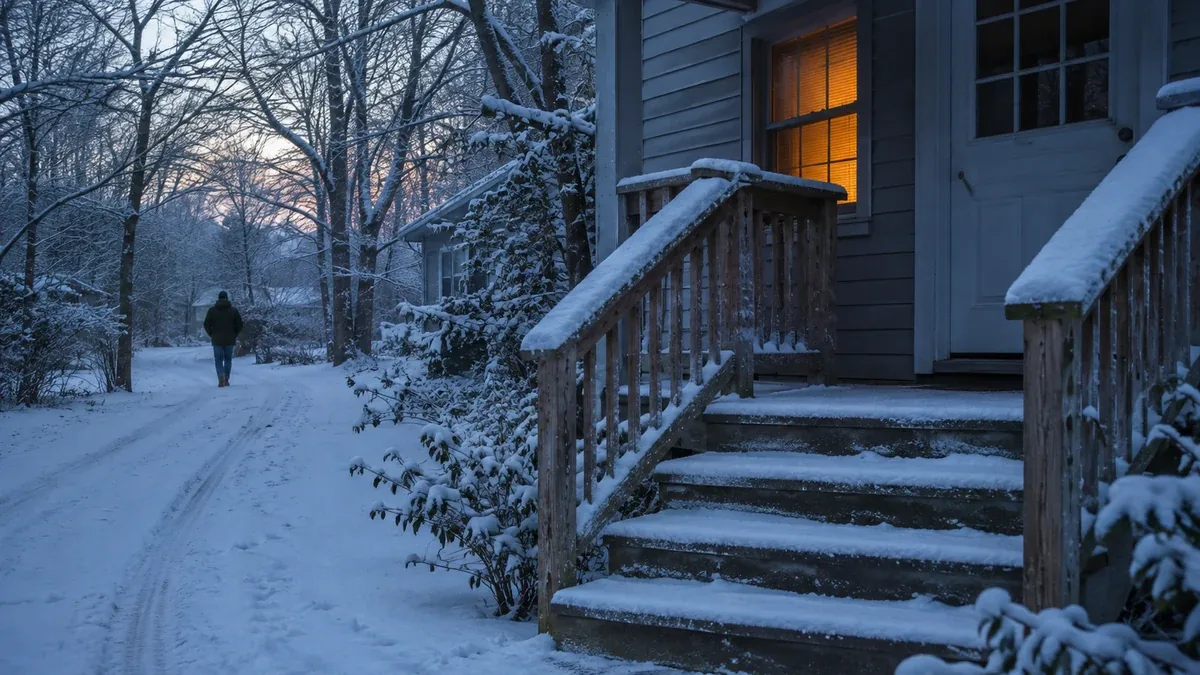
The first leaf of this almanac opens in the dark. For most working men in the United States, the alarm in January goes off before the sky has started to lighten, and the drive to work happens under streetlights. By the time the job lets go, the light is gone again. A man can get through an entire winter week without standing in daylight for more than a few minutes at a stretch, and then wonder why Wednesday feels like Friday.
The almanac does not treat this as a mystery. The body keeps a calendar of its own, and light is the first page it reads each day. When mornings stay dim and evenings come early, plenty of men notice that they wake up heavier, get moving slower and want the couch sooner than they did in June. That is no failing of character. It is a season, and a season can be planned for the way a farmer plans for frost.
Meet the first daylight halfway
The single habit on this leaf is small: get outdoors for roughly ten minutes during the first hour of real daylight, on as many days as the work week allows. On a weekday that might mean walking the dog to the corner once the sky turns gray-blue, taking the long way across the parking lot, or standing on the porch steps with your coat zipped while the street wakes up. On a Saturday it can be a slow loop of the block before anyone else in the house is awake.
Daylight outdoors, even under a low gray sky, is many times brighter than the lamps in a living room, and men who make a point of meeting it early often say the morning fog lifts sooner. Nobody needs to stare at the sun. The point is simply to be outside, eyes open, moving at an easy pace.
Keep the clock still when the sun will not
In winter the pull is to let the wake-up time drift later on dark days and to sleep in hard on weekends. This leaf suggests the opposite: choose one wake-up time that suits the job and hold it to within thirty minutes from Monday to Sunday. A steady start gives the rest of the day something to hang from. If the bed feels too good to leave at six in the dark, set a bedside lamp to switch on a few minutes before the alarm, so the room is not pitch black when you sit up.
Evenings matter as much as mornings. Long winter nights pull a man toward late television and later screens. Dimming the house an hour before bed, and keeping the bedroom cool and properly dark, lets the night do its share of the work. A rested man meets a dark morning far better than a tired one meets a bright one.
Pencilled in the margin
Write the sunrise time in the corner of each week. Watching it creep earlier, minute by minute, from the first days of January onward is a small and dependable piece of good news in the darkest part of the year.
Before the next leaf
- Ten minutes outdoors in the first hour of daylight, at least four mornings a week.
- One wake-up time, held within half an hour, seven days a week.
- The house dimmed an hour before bed; the bedroom cool and dark.
- One unhurried walk on the weekend while the light is still up, even in the cold.
This leaf is general reading about daily habits, not medical advice. If winter tiredness hangs on for weeks, keeps you from your work, or comes with anything that worries you, speak with your own doctor before changing your routine.